
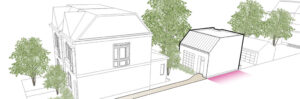
A Laneway Suite is a self-contained residential unit located on the same lot as a detached house, semi-detached house, townhouse, or other low-rise house. A Laneway Suite is typically located in the back yard next to a public laneway and is generally smaller in size, and completely detached from the main house on the lot.Laneway Suites provide new rental housing opportunities within established neighbourhoods, contributing to a wider range of housing options.
.
50 AMP BREAKER INSTALL( Charge rate will be 7-11 KW or 35-45 km per hour) keep in mind an EV can lose up to 40% charge kilometers in Winter Conditions.
50 Amp Breaker to Match your Electrical Panel (This will also allow dual charging of 2 Electric Vehicles now or in future with a dual charger)
Permit Fees vary by Location
Package Price includes City of Calgary Metro Area
To Qualify for these Specials please take time to do Online Home Installation Quote.
50 AMP BREAKER INSTALL( charge rate will be approximately 7-11 KW or 35-45 km per hour)* keep in mind an EV can lose up to 40% charge kilometers in Winter Conditions.
50 Amp Breaker To Match your Electrical Panel(Wire and Breaker Prices are the Same for 40 Amp or 50 Amp Why not go 50 amp if you can !!!)
To Qualify for these Specials please take time to do Online Home Installation Quote.
Permit Fees vary by Location
Package Price includes City of Calgary Metro Area
Rule 86-300 specifies that electric vehicle supply equipment be supplied by
Rule 86-302 notes that the connected load of a circuit supplying electrical vehicle supply equipment and associated ventilation equipment be considered as continuous for purposes of Rule 8-104.
Rule 86-304 requires that each installation of electric vehicle supply equipment rated at 60 A or more, or more than 150 volts-to-ground be provided with a separate disconnecting means
Rule 86-306 requires that each receptacle for electric vehicle charging be
Rule 86-308 requires that where an electric vehicle supply equipment and other parts of a system, either on board or off board the vehicle are identified for and intended to be
Electric vehicle supply equipment locations
Rule 86-400 addresses Indoor charging sites and
◦ integral, attached, and detached residential garages
◦ enclosed or underground parking structures
Panel upgrade includes Bringing in Larger Wires from your City Street Electrical Service Box (if underground can be excessively expensive) then Putting in either a new 200 Amp Panel or adding a smaller 100 Amp panel (called a sub panel) beside your present panel. This is the most expensive option.
As low as $2000 but can easily be $10,000 or more depending on the location of City Electrical Service Box.
We strongly suggest to our EV Charger Clients to use Black Box Energy management to allow you to legally put in a 30-50 Amp Breaker without upgrading your Electrical Service and Electrical Panel.
This will be included in your quote should you surpass legal Electrical Load Calculations on your Electrical Panel. (We have included the Electrical Code Below to allow for An Energy Management System to negate load calculation issues legally) Cost is Usually between $900 to $1200 on top of Wiring, Plug or Charger install Cost
Again, Your Service Load and Electrical panel Load were never calculated to add an EV charging system that can require up to 50-60 % of your available Power.
So please include any other 240 V Electrical Devices in your home (Electric Oven, Electric Stove Top, Hot Tub, Electric Sauna, Welding Plug, Air Conditioners, Swimming Pool Pumps, Space Heaters, or other devices.
The Picture of your Open Electrical Panel is the most important picture you can take.
It will let us know 2 important factors.
All the Breakers in the Panel and how many are 240v to properly calculate your Load.
For Consumer Information here is The Canadian Electrical Code Requirements (by legal extension your Insurance Company) for EV wiring and Charging Requirements.
Here are some Canadian Electrical Code details in case you are wondering where information is coming from and why it is So Important to your Insurance Company. It is quite specific requirements no matter What your Neighbor Electrician tells you JJ
This is Why we are EVC EXPERTS.
If you are not into Legal stuff just skip to the lower part of the page.
30 AMP BREAKER (this is least expensive option charge rate will be appx. 23 km per hour)
40 AMP BREAKER (this size breaker will overload panel, you very likely (80%) will need a load management system or a panel upgrade to pass electrical code and suffice insurance fire requirements) (charge rate appx 35 km per hour) NOTE COST OF 40 AND 50 AMP ARE SAME FOR BREAKER AND SAME WIRE SIZE SO GO FOR 50 AMP SIZE EVEN IF YOU DO NOT NEED NOW YOU MAY IN THE FUTURE FOR NEXT VEHICLE . AGAIN, IT WILL COST $0 MORE FOR A LARGER BREAKER AND WIRE SO GO FOR 50 AMP!!!!
50 AMP BREAKER (this size breaker will overload panel; you are very likely (95%) will need a load management system or a panel upgrade to pass electrical code and suffice insurance fire requirements) (charge rate appx 45 km per hour) THIS IS YOUR BEST CHOICE FOR VALUE AND FUTURE VEHICLES.
60 AMP BREAKER (this size breaker will overload panel you very likely (99%) will need a load management system or a panel upgrade to pass electrical code and suffice insurance fire requirements) (charge rate appx 11-12 KW or 60 km per hour)
100 AMP BREAKER (this size breaker will overload your panel (100%) you will need a panel upgrade to pass electrical code and suffice insurance fire requirements) (charge rate Approximate 120 km per hour)
This is incredibly fast, expensive, but possible in many residential neighborhoods. Approximate Cost will be between $10000-$20000. Maybe even more depending on how far away the service is and if it is underground.
This is Commercial Rated Speeds. This is Awesome choice if you can afford JJ
NOW YOU HAVE MADE THESE CHOICES A CHARGER AND WIRE SIZE. HERE COMES NEXT BIG QUESTION FOR YOU TO KNOW!!!!
If you are not sure how many amps your device will be drawing (at 120 volts AC), here is a nice chart for you.
To calculate your load, click here.
This is Something you need to Consider.
First Fact.
The Faster You Want to Charge your EV the more Power (Amperage, Amps) you will require.
The More Power or Amps You want the Larger the Electrical Wires need to be.
The More Power or Amps you Want will also mean the more likely you will need either an Electrical Panel and Electrical Service Upgrade to your Home. (So here is what you are deciding on. Your Electrical Service and Panel were never designed to add a 30,40,50 or even a 60 Amp breaker to Power an EV).
So, you will need to Have a Electrical Load Calculation done by A Certified Electrician to make sure you do not Overload your Electrical Panel and Service Lines which can perhaps create a fire hazard and at very least, You will trip or break your main Service Breaker and have no power in House at all (this is the most likely outcome usually coldest darkest day of year !!!
Next: An electrician needs to know the amount of Power you want to charge your EV (via the Quote System) This will be added to your Electrical Load Calculation.
The electrician can see via your pictures your electrical panel(s) and determine what your existing electrical load is. Based on what kind of charger you want to use and how many electrical appliances are in your home, you may or may not need to upgrade your electrical service to 200- or 400-Amp. (Again, keep in Mind most homes electrical systems were not designed to add an EV Charging system requiring this huge amount of extra power to just one plug)
You may also choose to Use a Black Box Energy Management System. This will eliminate the need for panel Upgrade and save you a lot of Money. Check Out Blackbox Info on Home Screen.
You also will understand what kind of charger will meet your needs based on your specific EV model
(Many vehicles now come with the Level 2 CHARGING SYSTEM INCLUDED WITH PURCHASE) If so, you do not need to buy one from us.
If your vehicle does not include this, we strongly recommend purchasing one. This is a safety and charging issue. The Charger eliminates Power being in the charging cord when not attached to EV. This is a lot of power in a loose cord in a Garage or Outside a Garage. Secondly the Charger can maximize your charge rate and ensure the proper amount of power is delivered as needed. Thirdly many are WI fi enabled to allow you adjust charger to times when electricity is cheapest (depending on where you live but later is usually cheaper). Fourth they look pretty cool.
Ok so we suggest you Buy a Grizzl E charging unit Minimum 40-amp 10 KW. Store This will work with any vehicle but Tesla. If your EV comes with a 240 V Charger with it then just click not required or Tesla when this question comes up on Quote) If not we suggest the Grizzle-E Charger in store.
You may not need an electrician if:
You are using a Level 1 charger plugged into an existing outlet. ( JUST USING A REGULAR 120 VOLT HOME OUTLET)
You already have an existing 240-volt outlet and are using a portable Level 2 charger that does not require installation.
If you do not have the above, work with an electrician, He will need to do load management calculations, apply for any necessary permits and coordinate inspections on your home EV wiring. (The electrical inspectors will only inspect the EV Install wiring as required by Law and Insurance Companies. Nothing More as per Permit)
When in doubt, consult a professional EVC EXPERTS